
Limerence: when you're married but in love with someone else
Limerence is an intense, involuntary infatuation with another person, marked by obsessive thoughts and a deep craving for them to feel the same. It can grip a married person who never planned to stray. It feels exactly like love, but it is temporary, and a marriage can survive it.

 Taught by Dr. Joe Beam and Dr. Kimberly Beam Holmes,
who have helped 25,000+ couples over 32 years.
Watch
Short teachings on limerence from Dr. Joe Beam and Dr. Kimberly Beam Holmes.
Read
The questions people ask most about limerence, and what to do next.
 I’m Married But In Love With Someone Else Read the article →
 Facing Infidelity: What to Do When Your Spouse is in Love with Someone Else Read the article →
 Choosing Between Lover Or Spouse Read the article →
 The Three Stages of Limerence Read the article →
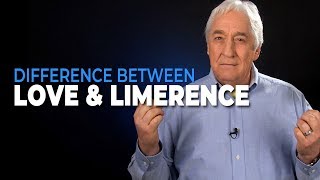 Limerence vs Love: The Psychological Differences Between Love and Limerence Read the article →
 Living With Limerence: 3 Do’s and Dont’s for Coping Read the article →
 Signs Limerence Is Ending: The Third Stage, Deterioration Read the article →
What limerence is, and what to do about it
Limerence is an intense, involuntary infatuation with another person. It shows up as obsessive thoughts, a racing pull toward them, and a craving for them to feel the same way. The term comes from psychologist Dorothy Tennov, and it is a state Marriage Helper has helped thousands of spouses understand and come back from.
If your spouse is in limerence, here is the part almost no one tells you: what they are feeling is real to them, but it is not the same thing as love, and it will not last. Limerence feeds on uncertainty and distance. It paints the other person as flawless and your marriage as the thing standing in the way. That is why a good, committed person can fall into it and genuinely believe they have finally found "the one," even while they are hurting the people they once put first.
Limerence feels exactly like love. But powerful is not the same as permanent, and it does not have to cost you your marriage.
Where the word comes from
Psychologist Dorothy Tennov named limerence in the 1970s after interviewing hundreds of people who described themselves as "madly in love" and looking for what they had in common. The dictionary definition that grew out of her work is a state of being infatuated or obsessed with another person, typically marked by a strong desire for the feelings to be returned, and not always primarily about sex. Many counselors of her day did not accept the idea. Even now, most of the therapists we teach have never heard the word until we explain it, and then it explains the couples they could not explain before.
What the research shows
Limerence is not a figure of speech. Helen Fisher and her colleagues put people who said they were madly in love into a brain scanner and showed them photos of that person among photos of strangers. The reward and motivation systems of the brain lit up for the one person and not for the rest. The person on the other end of that craving has a name in the research: the limerent object. Everything that follows on this page rests on that finding. The feeling is real, it lives in the brain, and it is temporary.
The signs
Obsessive thinking about the person. Changing things about yourself to please them. Seeing anyone who stands between you and them, including your spouse and your children, as an enemy. Mood that rises and falls on any sign of their interest. Idealizing them while every flaw goes unseen. People in limerence usually say that no one could possibly understand how they feel and that they have never felt this way before, and they believe it.
Is limerence always a bad thing?
No. When two single people fall into limerence with each other, it is the pull that leads many of them to marry, and that is fine as long as neither is bad for the other, because a person in limerence cannot see it. Limerence does not happen in every love story, either; plenty of couples fall in love without it. The limerence that brings people to us is the other kind: one spouse married to one person and in limerence with another. About two thirds of the couples at our workshop have been touched by infidelity, and most of those were not affairs about sex. They were relationship affairs, limerence affairs, built on connection first.
Who is vulnerable to it
Anyone who is breathing, in one sense. In another, it is usually a person who feels they are missing something, often from childhood or from earlier relationships, and carries a deep need to know that they are loved and valued right now, no matter what. That need can hide behind a successful career or a full calendar, and the person may not see it themselves. It is the soil limerence grows in, not a guarantee that it will. We say this to help you understand your spouse, not to blame either of you.
Why it feels exactly like love
Limerence floods the brain with the same chemistry as early romance. The obsessive thinking, the butterflies, the certainty: all of it feels like proof. It is not proof. It is a state, and like every intense state, it ends. Most limerence fades within a few months to a couple of years, and it fades faster when it stops being fed by contact and fantasy. The feelings are powerful, but powerful is not the same as permanent.
How to tell limerence from a simple affair
Limerence is not just attraction or a fling. The telltale signs are obsessive, intrusive thinking about the other person, wild mood swings tied to any sign of their interest, idealizing them while overlooking every flaw, and a desperate hunger for them to reciprocate. A spouse in limerence often rewrites the story of your marriage to justify the feelings, remembering it as worse than it was. Recognizing these signs matters, because limerence calls for a different response than a purely physical affair does.
What it means for your marriage
Because limerence is temporary, your marriage is not over just because your spouse is in it. The danger is not the limerence itself. The danger is what the hurting spouse does in response. When the person we love pulls away, our instincts scream at us to pursue: to explain, to plead, to prove our case, to check their phone, to lay down ultimatums. Every one of those is a push, and pushes drive a limerent spouse deeper into the fantasy and further from you.
What to do instead
The work is to stop your pushes and start your pulls. Calm yourself down first, so you are not reacting out of fear. Stop the pursuing, the arguing, and the monitoring. Then become the steady, grounded person your spouse can come back to when the fog clears, because it will clear. You cannot argue someone out of limerence, but you can avoid being the reason they run, and you can keep the door open for the marriage that is still possible underneath it.
If you're afraid you'll do everything right and they'll still leave
That fear is honest, and you deserve an honest answer. Limerence runs its own course, and you can only control your half of this. Doing the work does not guarantee your spouse comes home. What it does guarantee is that your marriage gets its best real chance, and that you become someone you respect no matter how it ends. A fighting chance is not a sure thing. It is still worth fighting for, and you do not have to do it alone.
Sources
- Dorothy Tennov (1979). Love and Limerence: The Experience of Being in Love. Stein and Day.
- Arthur Aron, Helen Fisher, Debra Mashek, Greg Strong, Haifang Li and Lucy Brown (2005). Reward, motivation, and emotion systems associated with early-stage intense romantic love. Journal of Neurophysiology.
- Helen Fisher, Arthur Aron and Lucy Brown (2005). Romantic love: An fMRI study of a neural mechanism for mate choice. Journal of Comparative Neurology.
- Joe Beam (2012). The Art of Falling in Love. Howard Books.
Common questions about limerence
How long does limerence last?
Limerence is temporary. It commonly runs anywhere from a few months to about two or three years, and it fades faster when it is not fed by ongoing contact and fantasy. The intensity always ends, even when it feels permanent in the moment.
What are the signs of limerence?
Obsessive, intrusive thinking about the person; mood swings tied to any sign of their interest; changing things about yourself to please them; idealizing them while overlooking every flaw; and seeing anyone who stands between you and them as an enemy. People in limerence often say they have never felt this way before.
Is limerence the same as love?
No. Limerence is a craving driven by uncertainty and idealization, aimed at how the other person makes you feel. Real love is a settled choice to know and care for an actual person over time. Limerence burns hot and burns out; love is built. Falling in love does not always involve limerence, although for many people it does.
What makes someone vulnerable to limerence?
Usually a person who feels they are missing something, often from childhood or earlier relationships, and carries a deep need to feel loved and valued. That need can stay hidden behind success or a busy life, and it does not mean limerence will happen. It is the soil limerence grows in, not a guarantee that it will.
Is a revenge affair limerence?
Usually not. A revenge affair is a reaction to being hurt, while limerence is an involuntary infatuation that takes over the mind. They can overlap, but they are different, and they call for different responses.
Can my marriage survive my spouse’s limerence?
Yes, many do. Because limerence is temporary, the goal is to avoid the moves that push your spouse deeper into it and to stay someone they can return to when the fog clears. Marriage Helper has helped many couples come back from exactly this.
I became a better spouse and they still left. Did I fail?
No. Limerence runs its own course, and you can only control your half. The work you do gives your marriage its best real chance and makes you someone you respect either way. A fighting chance is not a guarantee, and doing the right thing is still worth it.
Real couples who were where you are.
Not actors. Real people who sat exactly where you are now, telling their own stories. Hundreds more are on our YouTube channel.
“I was so madly in love with someone else that I was willing to sacrifice everything. That intense feeling faded, the way it always does. It was Alice’s strength that drew me back.”
 Watch their story
“My spouse was convinced they had finally found the one, and our marriage was the thing in the way. The fog did lift, and we came back from the brink.”
 Watch their story
Go deeper: the I Had An Affair Toolkit
If you are the one caught in feelings for someone else, this toolkit gives you the clear head: what limerence is doing to your mind, and how to make the next decision well.
See what's inside $97 Self-paced video course, lifetime access
You don't have to figure this out alone.
Find where your marriage is stuck. Nine honest questions, and a free guide for your stage. If the marriage is already in pieces, here is what three days of work looks like.