

Your spouse refuses to come to counseling. They say it’s too late, or they don’t love you anymore, or they’re done trying. Maybe they’ve moved out. Maybe they’ve filed for divorce. Maybe they’re involved with someone else.
– Alone in this fight
– Like you’re the only one who cares about saving your marriage
– Desperate to do something, but you don’t know what
– Scared that nothing will work if your spouse won’t participate
The Solo Workshop is designed specifically for the spouse who comes alone, when your partner refuses, resists, or can’t see hope yet. You’ll learn how to work on your marriage even when you’re the only one working on it.
Over 60% of our workshop attendees come to the Solo Workshop. Most arrive in exactly your situation: their spouse won’t attend, doesn’t believe it will help, or has already emotionally checked out. You’re not unusual. You’re not the exception. This is what we do.
You’ve asked, or even begged, your spouse to go to counseling with you. They’ve said no. Maybe they said marriage help is “a waste of time” or “won’t change anything.” Maybe they just refuse to discuss it.
What This Means
You can’t force your spouse to attend anything. But you CAN learn tools to change yourself in ways that influence the relationship, even without their participation.
Your spouse has told you they’re done. “I don’t love you anymore.” “I’ve made up my mind.” “It’s over.” They may have already contacted a divorce attorney or told family and friends it’s ending.
What This Means
When your spouse says it’s too late, what they’re really saying is they can’t see how things could be different. The Solo Workshop teaches you how to create the kind of changes that make them reconsider.
Your spouse is involved with someone else, emotionally or physically. They may have left you for this person. They may be comparing you to them. They may be in the fog of the affair and can’t think clearly about your marriage.
What This Means
Affairs don’t happen in a vacuum. Something broke in your marriage first. You’ll learn what that was, how to address it, and how to become more attractive to your spouse than the affair partner.
You’re living apart. Maybe your spouse wanted space. Maybe you separated “to figure things out.” Maybe they filed for divorce and are just waiting for it to finalize.
What This Means
Physical distance doesn’t mean emotional reconnection is impossible. Many solo attendees’ spouses return home after seeing significant changes. Distance can actually work in your favor if you use it wisely.
Your spouse isn’t hostile to you getting help, they just won’t participate. They might say, “Go if you want, but don’t expect me to change.” They’re open to you attending, but skeptical it will matter.
What This Means
This is actually a hopeful sign. Your spouse isn’t actively opposing your growth. As you apply what you learn, they’ll see changes that intrigue them. Many “reluctant permission” spouses later agree to attend the Couples Workshop.
Your spouse hasn’t explicitly said they’re done, but they’re distant, checked out, or avoidant. You can’t get them to talk about the marriage. You’re scared they’re planning to leave and just haven’t told you yet.
What This Means
Emotional withdrawal often precedes verbal declaration. The Solo Workshop teaches you how to stop the drift before they make a final decision, and how to handle it if they do.
If even ONE of these scenarios describes you, the Solo Workshop is designed for you.
You’re not trying to “fix” your spouse. You’re not trying to manipulate them into changing. You’re learning how attraction works, what makes people fall in and out of love, and how to become the kind of spouse people don’t want to leave, or who they desperately want to come back to.
The Solo Workshop isn’t a watered-down version of our Couples Workshop, it’s the same powerful, research-based content specifically adapted for your unique situation. Here’s why that matters:
Our curriculum focuses on what YOU can control: your thoughts, behaviors, responses, and personal growth. This approach works whether you’re attending with your spouse or alone, because lasting marriage transformation always starts with individual change.
The difference is in the application. While couples attendees work on their relationship together, you’ll learn how to apply the same proven principles when your spouse isn’t participating.owerful results.
| Aspect | Traditional Marriage Counseling | Couples Workshop | Solo Workshop |
|---|---|---|---|
| Attendance | Both spouses required | Both spouses attend | You attend alone |
| Focus | Processing emotions together | Joint healing and growth | What YOU can control when spouse won't engage |
| Teaching | Assumes both want to save the marriage | Assumes both are willing | Assumes your spouse is resistant or refuses |
| Tools | Communication for two | Shared plan for two | How to influence the relationship alone |
| Spouse Involvement | Required | Required | Not required (they don't even need to know you're attending) |
| Success Metric | Both spouses participate | Both spouses work together | You change yourself in ways that influence your spouse |
| Common Outcomes | Won't proceed if spouse refuses | Both leave with a plan | ou leave with tools regardless of spouse's choices |
| Traditional Marriage Counseling | Couples Workshop | Solo Workshop |
|---|---|---|
| Attendance | ||
| Both spouses required | Both spouses attend | You attend alone |
| Focus | ||
| Processing emotions together | Joint healing and growth | What YOU can control when spouse won't engage |
| Teaching | ||
| Assumes both want to save the marriage | Assumes both are willing | Assumes your spouse is resistant or refuses |
| Tools | ||
| Communication for two | Shared plan for two | How to influence the relationship alone |
| Spouse Involvement | ||
| Required | Required | Not required (they don't even need to know you're attending) |
| Success Metric | ||
| Both spouses participate | Both spouses work together | You change yourself in ways that influence your spouse |
| Common Outcomes | ||
| Won't proceed if spouse refuses | Both leave with a plan | ou leave with tools regardless of spouse's choices |
Most marriage help teaches “communication skills” or “conflict resolution” and assume both people are participating. That doesn’t work when your spouse won’t engage.
When your marriage is in crisis and your spouse is pulling away, your natural instincts tell you to pursue them harder, explain how much you love them, show them how good you could be together, along with other “push behaviors.” The workshop will teach you:
If your spouse is in an affair (or you suspect they are), you need specialized knowledge that isn’t taught in regular counseling.
You’ll leave the workshop with a specific plan for YOUR marriage situation, with community access and coaching sessions to help you navigate next steps.
Attending Solo is effective for many reasons, including:
1. No Defensiveness: Your spouse isn’t involved, creating no space for defensiveness.
2. You Change First: When you change yourself significantly, your spouse notices. They can’t help but notice. This creates curiosity.
3. No Forced Participation: You’re not dragging a reluctant spouse to therapy sessions where they sit with arms crossed. You’re working on yourself, which they respect more.
4. Removes Pressure: When you stop pursuing and start improving yourself, the pressure on your spouse releases. Paradoxically, this often makes them move toward you.
5. Your Spouse Sees Results: They don’t see you “going to counseling.” They see you becoming calmer, more confident, less needy, more attractive. That speaks louder.
We’re going to be honest with you in everything. You deserve truth, not false hope.
Why we say this:
We can't control your spouse's choices. Even if you do everything right, change yourself significantly, stop all repelling behaviors, become genuinely more attractive, your spouse still has free will.
What we CAN guarantee:
- You'll understand what caused the breakdown
- You'll know what you did that contributed
- You'll have tools that work IF your spouse is reachable
- You'll have clarity and peace about your path forward, regardless of outcome
Our success rate: 70% of marriages where one spouse attends Solo Workshop eventually reconcile. That means 30% don't. But even in that 30%, attendees say the workshop was worth it because they gained understanding, peace, and stopped destructive patterns.
Scenarios we've seen:
Some spouses:
- Notice changes within weeks and become curious
- Agree to couples counseling or Couples Workshop within 3-6 months
- Return home after seeing sustained change
- End affairs and recommit to the marriage
Other spouses:
- Take longer (6-12 months of changes before responding)
- Eventually respond but the marriage looks different than before
- Don't respond, and the marriage ends in divorce
- Respond too late, after you've moved forward
What determines the difference?
- How far gone they were when you started changing
- Whether they're in limerence (affair fog)
- Their personality and responsiveness to change
- How consistently you apply what you learn
- Factors outside your control (their trauma, their choices, timing)
The point: You can maximize your chances, but you can't force an outcome.
This isn't about "trying harder" at what you've been doing.
Most people attend thinking, "I just need a few tweaks and my spouse will see the light." That's not how this works.
What real change looks like:
- Recognizing patterns you've had for years (maybe from childhood) that damage intimacy
- Stopping behaviors that feel natural to you but repel your spouse
- Developing emotional self-regulation you don't currently have
- Facing hard truths about your contribution to the marriage breakdown
- Committing to 3-6 months of consistent new behaviors (not just trying for a week)
This is hard work. If you're not willing to fundamentally change yourself, the Solo Workshop won't help you.
Expect skepticism and resistance:
When you start changing, your spouse will likely:
- Not notice initially
- Notice but assume it's temporary ("just trying to manipulate me")
- Test you to see if changes are real
- Be suspicious of your motives
- Continue pulling away initially even as you change
Why?
Because they've seen you "try" before and revert. They don't trust that this time is different. It takes consistent change over 2-3 months before they start to believe it's real.
Your job: Keep changing for YOU, not to get a reaction from them. Their reaction will come later if the changes are genuine.
After being completely honest about the challenges, here’s why you should still have hope:
Love isn’t a mystery. People don’t randomly fall in and out of love. There are specific, predictable patterns.
What this means for you: if you understand WHY your spouse fell out of love, you can reverse the same patterns. This isn’t magic, it’s behavioral science applied correctly.
Right now you feel powerless because your spouse won’t participate. But you have enormous influence through how you respond (calm vs. reactive), how you show up (attractive vs. needy), and how you handle distance (strength vs. desperation). Influence isn’t control, but it’s powerful.
We’ve seen marriages recover from affairs lasting years, divorce papers filed, spouses living with affair partners, and complete emotional detachment. Not all recovered, but many did when the attending spouse made genuine changes. Your marriage isn’t necessarily hopeless—but you need the right tools.
Even if your spouse ultimately chooses to leave, you’ll have clarity that you did everything possible, tools for emotional regulation, understanding for future relationships, and peace about the outcome. Many Solo attendees whose marriages didn’t survive say the workshop was still life-changing.

Here’s something we see happen regularly:
A spouse attends Solo because their partner won’t come. They learn the tools. They start changing. Their spouse notices.
Weeks or months later, their spouse says something like: “What exactly did they teach you?” or “Maybe we should try something together.”
When that moment comes, you’ll be ready.
Many Solo Workshop graduates eventually attend the Couples Workshop with their spouse, and we offer discounted upgrade pricing to make that transition easier. But that’s a bridge to cross later.
Right now, the most important thing you can do is start. Your personal transformation is the first step. It’s the foundation everything else is built on. Whether your spouse joins you in weeks, months, or never, the work you do on yourself matters now.
Don’t wait for your spouse to be ready. Be ready yourself, and let the changes speak for themselves.
February 27-March 1 (Men’s)
June 26-28 (Men’s)
February 20-22
March 27-29
April 17-19
May 15-17
June 5-7
In-Person and Online:
Fri 8am-6:30pm
Sat 8am-6:30pm
Sun 8am-3pm Central
Our online workshops work best when participants keep their cameras on. This helps foster connection and allows our coaches to support the group more effectively.
We understand this can feel uncomfortable at first, and we strive to create a respectful, non-judgmental space for everyone.

Spring Hill, TN (Greater Nashville area)
– Hotel recommendations (with discounts) provided upon registration
– Face-to-face connection with coaches and other solo attendees
– Dedicated learning environment away from home triggers
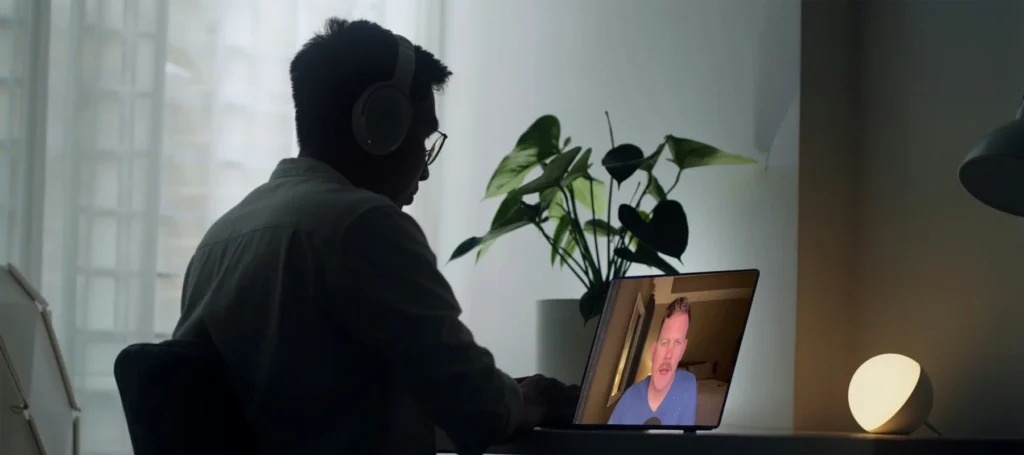
Live Online, Zoom (link provided)
– Attend from anywhere (privacy and convenience)
– Live interaction (not a recording)
– No travel costs
– Easier logistics if you have children or work constraints
– Same content and support as in-person

If you’re ready to join a solo workshop, or if you’re not sure if the Solo Workshop is right for your situation, fill out this form. You’ll be able to schedule a time to talk with one of our advisors about your best options to move forward.
A. Sharing is always optional, never required. Large group teaching doesn't require you to share. Small group discussions are voluntary but encouraged, but you never need to divulge personal information or details about your situation. Personal reflection exercises are private. Many people do share because they find the environment supportive, but there's never pressure.
A. Yes. Affairs are one of the most common reasons people attend our workshops. We don't shame the unfaithful spouse or make the betrayed spouse feel like a victim. We help you understand what happened and how to rebuild.
A. The workshop content is based on behavioral science and relationship research, not religious doctrine. We welcome people of all faiths and no faith. You won't be required to participate in religious activities. That said, our team includes people of faith who can discuss your marriage through that lens if you prefer.
For the best experience, we recommend setting aside dedicated, uninterrupted time for the workshop. Treat the weekend as protected space to focus on learning, reflect on what you’re hearing, and avoid common distractions like work, errands, or household tasks. Even small steps, such as silencing notifications or letting others know you’ll be unavailable, can make a meaningful difference.
Comfort also matters. Many participants choose to stream the workshop from their laptop to a larger screen, allowing them to settle into a comfortable space at home. Having drinks and snacks available, or meals prepared in advance can help you stay present and engaged throughout the sessions, making it easier to absorb the material and remain focused for the full weekend.
While our solo workshop is sometimes compared to a marriage intensive, it is intentionally different. Traditional marriage intensives typically require both spouses to participate together and focus on joint counseling or guided sessions. That model can be limiting when only one spouse is willing to engage or when the marriage is in serious crisis.
Our solo workshop is designed around the part of the marriage you do have control over—yourself. Through research-based education, participants learn how their thoughts, behaviors, and emotional responses impact the relationship as a whole. By focusing on personal change rather than trying to change a spouse, individuals are often able to influence the marriage in meaningful ways, even when their spouse is resistant, disengaged, or unsure about continuing the relationship.